Introduction
Unlocking efficiency through robotic automation solutions entails deploying modern robots to do repetitive and time-consuming operations. These robots operate quicker and more precisely than people, resulting in increased production and consistent quality. Organizations that use robotic automation may simplify their processes, cut expenses, and remain competitive in today’s fast-paced environment.
Outline
- Introduction
- Background
- Robotic Automation solutions and capabilities
- Use of Robotic Automation in industries
- Pros of Robotic Automation
- Challenges and considerations for organization
- Future of Robotic Automation
- Impact on Employment
- Conclusion
- FAQs
Background
Robotic automation uses advanced machines with sensors, actuators, and control systems. These machines perform tasks on their own or with little human help. They are programmed to do repetitive and labor-intensive jobs accurately and precisely. This increases productivity and saves money for companies.
Robotic Automation solutions and capabilities
- Increased Efficiency: Robotic automation can greatly speed up repetitive tasks. This increases production and makes processes more efficient.
- Improved Accuracy: Robots can do tasks with great accuracy, reducing errors and ensuring consistent quality in manufacturing and other operations.
- Cost Savings: While the initial investment in robotic automation may be significant, the long-term cost savings are substantial. By reducing work costs, restricting waste, and upgrading resource use, associations can achieve the basic benefits of adventure.
- Enhanced Safety: Robots are well-suited for performing dangerous or hazardous tasks that pose risks to human workers. Organizations can enhance workplace safety by assigning these tasks to robots. This reduces the likelihood of incidents and injuries.
Use of Robotic Automation in industries
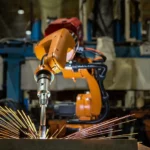
- Manufacturing: In manufacturing plants, robots perform tasks like assembly, welding, painting, and packaging. This increases efficiency and productivity on the production line.
- Healthcare: In the healthcare sector, robots are employed for tasks such as surgery, patient care, medication dispensing, and disinfection, improving patient outcomes and enhancing operational efficiency in hospitals and clinics.
- Logistics and Warehousing: In logistics and warehousing facilities, robots are utilized for tasks such as inventory management, order picking, and material handling, optimizing supply chain operations and reducing fulfilment times.
Pros of Robotic Automation
The reception of robotic automation offers various benefits and advantages for organizations:
- Increased Productivity: Robots can work continuously without fatigue, leading to higher productivity levels and greater output in manufacturing and other operations.
- Cost Reduction: By automating labor-intensive tasks, businesses can reduce labor costs, minimize errors, and optimize resource utilization, resulting in significant cost savings over time.
- Quality Improvement: Robots perform tasks with precision and consistency, leading to improved product quality and reduced defects in manufacturing processes.
- Flexibility and Scalability: Robotic automation solutions are highly adaptable and can be easily reprogrammed or reconfigured to accommodate changes in production requirements or demand fluctuations.
Challenges and considerations for organization
- Initial Investment: The upfront costs associated with acquiring and implementing robotic automation systems can be substantial, requiring significant capital investment.
- Integration Complexity: Integrating robotic automation solutions into existing workflows and systems can be complex and time-consuming, requiring careful planning and coordination.
- Human-Labor Concerns: The widespread adoption of robotic automation has raised concerns about its potential impact on human employment, leading to debates about job displacement and the need for reskilling and upskilling initiatives.
Future of Robotic Automation
Looking forward, a few patterns are molding the eventual fate of mechanical computerization:
- AI Integration: The integration of artificial intelligence (AI) technologies, such as machine learning and computer vision, is enabling robots to perform more complex tasks and make intelligent decisions autonomously.
- IoT Connectivity: The proliferation of Internet of Things (IoT) devices and sensors is enabling robots to collect and analyze real-time data, leading to improved efficiency, predictive maintenance, and proactive decision-making.
- Advanced Programming Interfaces: The development of intuitive programming interfaces and software tools is making it easier for businesses to program, deploy, and manage robotic automation solutions without requiring specialized technical expertise.
Impact on Employment
- Job Displacement vs. Job Creation: While some jobs may be automated, robotic automation can also create new job opportunities in areas such as robot maintenance, programming, and system integration.
- Reskilling and Upskilling Initiatives: To alleviate the effect of occupation uprooting, organizations, states, and instructive foundations should put resources into reskilling and upskilling drives to get ready specialists for the positions representing things to come.
Conclusion
In conclusion, robotic automation solutions can disrupt adventures, driving capability, effectiveness, and improvement. By using advanced robotic innovation headways, associations can streamline processes, reduce costs, and gain an advantage in the present logically merciless business environment. Anyway, successful execution requires careful readiness, hypotheses, and consideration of moral and managerial issues.
FAQs
1. For what types of businesses is robotic automation suitable?
Yes, robotic automation solutions can benefit businesses of all sizes, provided they have processes that can be automated and the resources to invest in their implementation.
2. What is the implementation timeline for robotic automation solutions?
The implementation timeline for robotic automation solutions varies depending on factors such as complexity, scale, and customization requirements.
3. How can we maintain robotic automation systems?
Robotic automation systems require regular maintenance, including routine inspections, lubrication, and troubleshooting of components, to ensure optimal performance and longevity.
4. How do factories enhance safety through robotic automation?
By automating hazardous or repetitive tasks, robotic automation solutions can improve workplace safety by reducing the risk of accidents and injuries associated with manual labor.
5. What is the future of robotic automation?
The future of robotic automation looks promising, with advancements in AI, IoT, and robotics technologies driving innovation and unlocking new opportunities for businesses across industries.