Introduction
Industry 4.0, described by the integration of computerized advancements and actual frameworks, is reshaping production scenes around the world. Robotics integration remains at the cutting edge of this change, driving effectiveness, adaptability, and development. This article dives into the most recent trends in robotics integration within the context of Industry 4.0.
Outline
- Introduction
- Background
- Understanding Industry 4.0
- Role of Robotics Integration
- Key Trends in Robotics Integration
- Challenges and Opportunities
- Real-World Applications
- Benefits of Robotics Integration
- Future Outlook
- Conclusion
- FAQs
Background
Industry 4.0 addresses another time of modern transformation, boosted by interconnected frameworks, information examination, and mechanization. Robotics integration assumes a focal role in Industry 4.0, empowering shrewd and independent assembly processes.
Understanding Industry 4.0
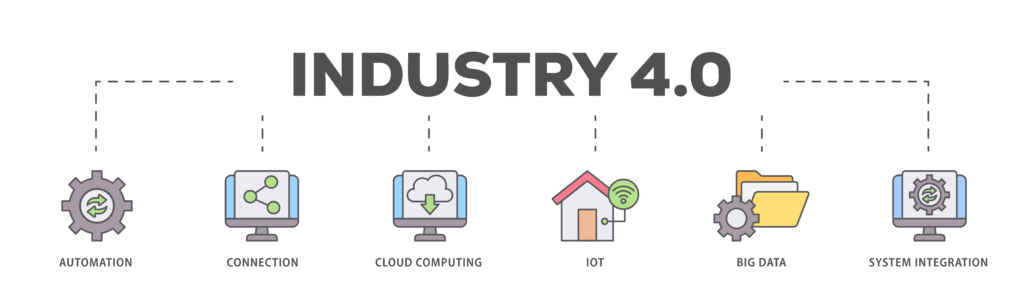
Industry 4.0 uses trend-setting innovations like the Web of Things (IoT), computerized reasoning (man-made intelligence), and robotics to make brilliant plants equipped for self-enhancement and constant independent direction. It vows to reform creation processes, production network the executives, and client commitment.
Role of Robotics Integration
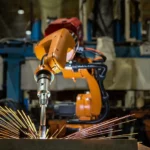
Robotics integration includes the consistent consolidation of automated frameworks into assembling work processes to mechanize undertakings generally performed by people. Cooperative robots, or cobots, work closely with human specialists, improving effectiveness, wellbeing, and adaptability in modern conditions.
Key Trends in Robotics Integration
The most recent patterns in robotics integration incorporate the rise of cooperative mechanical technology, man-made intelligence-controlled mechanization, and cloud-based robotics stages. Also, headways in sensor innovation, AI calculations, and 3D vision frameworks are driving development in robotics integration.
Challenges and Opportunities
While advanced robotics integration offers various advantages, including expanded efficiency and cost-effective investment funds, it likewise presents difficulties, for example, specialized intricacy, security concerns, and labor force preparation. Be that as it may, these difficulties are joined by open doors for development, advancement, and the upper hand.
Real-World Applications
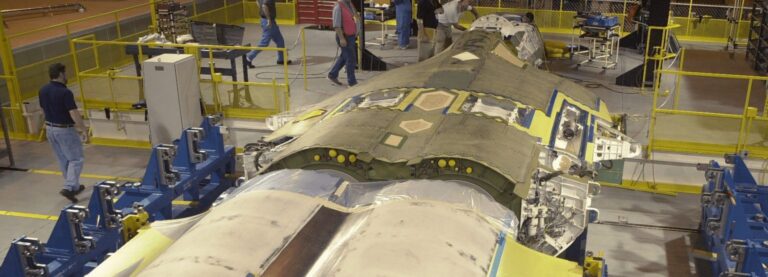
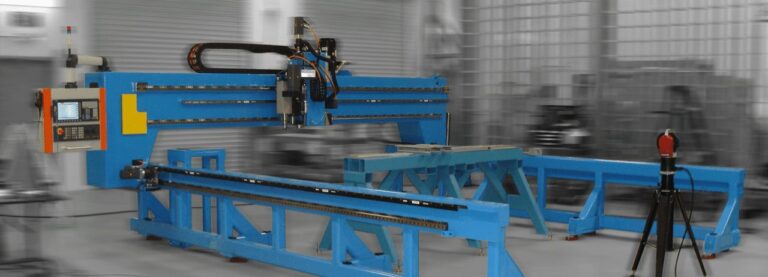
Robotics integration tracks down applications across different ventures, including auto production, hardware gathering, medical care, and operations. From mechanized sequential construction systems to stockroom automation and careful robotics, the present-day uses of robotics integration are assorted and significant.
Benefits of Robotics Integration
The reception of robotics integration offers various advantages, including further developed efficiency, item quality, working environment wellbeing, and asset productivity. By utilizing robotics, organizations can improve creation processes, reduce functional expenses, and upgrade consumer loyalty.
Future Outlook
The fate of robotics integration in Industry 4.0 holds a guarantee for additional headways, driven by continuous developments in simulated intelligence, IoT, and robotics innovation. As robots become more smart, versatile, and interconnected, they will assume an undeniably necessary role in determining the fate of assembly.
Conclusion
Robotics integration is the foundation of Industry 4.0, empowering makers to accomplish phenomenal degrees of productivity, adaptability, and seriousness. By embracing the most recent patterns in robotics combination, organizations can explore the intricacies of the fourth modern unrest and flourish in an undeniably computerized and interconnected world.
FAQs
1. What is Industry 4.0, and how does robotics integration contribute to it?
Industry 4.0 is the fourth modern upset described by the integration of computerized advances and actual frameworks. Robotics integration assumes a focal role by empowering smart and independent assembly processes.
2. What are some key trends in robotics integration?
Key patterns incorporate cooperative mechanical technology, man-made intelligence-boosted mechanization, cloud-based robotics stages, and headways in sensor innovation and AI calculations.
3. What challenges and opportunities does robotics integration present?
Challenges incorporate specialized intricacy, wellbeing concerns, and labor force preparation, yet these are joined by open doors for development, advancement, and upper hand.
4. What are the benefits of robotics integration in Industry 4.0?
Benefits incorporate superior efficiency, item quality, work environment wellbeing, and asset effectiveness, empowering makers to advance creation cycles and upgrade consumer loyalty.
5. What does the future hold for robotics integration in Industry 4.0?
What’s to come guarantees further progressions in artificial intelligence, IoT, and robotics innovation, prompting more astute, versatile, and interconnected assembling frameworks.