Introduction
In the steady quest for functional excellence, organizations are progressively going to production lines optimization through fine-tuning operations. This article delves into the complexities of improving production lines to achieve top productivity and execution through fine-tuning operations.
Outline
- Introduction
- Background
- Understanding Production Line Optimization
- Key Strategies for Fine-Tuning Operations
- Technological Innovations Driving Optimization
- Benefits of Production Line Fine-Tuning
- Challenges and Solutions
- Conclusion
- FAQS
Background
Understanding Production Line Optimization
Production line optimization includes the deliberate examination and optimization of assembling cycles to dispose of failures, diminish expenses, and upgrade efficiency while keeping up with or further developing item quality.
Key Strategies for Fine-Tuning Operations
Investigate fundamental techniques for calibrating tasks through production line optimization:
- Lean Principles: Carrying out lean assembling standards to recognize and dispense with squander, smooth out work processes, and work on by and large effectiveness.
- Continuous Optimization: Developing a culture of nonstop optimization to urge workers to recognize regions for enhancement and execute steady changes.
- Process Standardization: Normalizing cycles and methodology to guarantee consistency, lessen fluctuation, and improve on activities.
- Cross-Training: Broadly educating representatives to play out numerous assignments, in this way improving adaptability, lessening personal time, and optimizing asset use.
Technological Innovations Driving Optimization
Find the mechanical advancements changing production line optimization:
- Advanced Analytics: Utilizing information examination and prescient demonstrating to acquire bits of knowledge into creation processes, distinguish examples, and pursue information driven choices.
- Internet of Things (IoT): Incorporating IoT sensors and networks to screen hardware execution, track stock levels, and empower constant independent direction.
- Artificial Intelligence (AI): Using simulated intelligence calculations to upgrade creation plans, anticipate support needs, and advance asset portions.
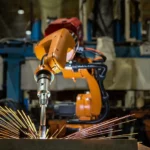
- Automation Solutions: Executing advanced mechanics and computerization innovations to mechanize tedious undertakings, further develop accuracy, and increment throughput.
Benefits of Production Line Fine-Tuning
Investigate the advantages gained from adjusting activities through production line optimization:
- Increased Efficiency: Calibrating tasks prompts smoothed out work processes, decreased process durations, and further developed asset usage, bringing about expanded proficiency and efficiency.
- Cost Savings: By killing waste, diminishing free time, and optimizing processes, organizations can understand huge expense reserve funds and further develop benefits.
- Enhanced Quality: Adjusting tasks improves quality control, diminishes absconds, and guarantees consistency, prompting more excellent items and more noteworthy consumer loyalty.
- Optimized Agility: Optimized production lines make organizations more lithe and receptive to showcase changes, empowering them to adjust rapidly to moving client requests and economic situations.
Challenges and Solutions
Address the difficulties related to production line optimization and propose arrangements:
- Resistance to Change: Defeating protection from change by cultivating open correspondence, giving preparation and backing, and showing the advantages of advancement drives.
- Technological Complexity: Tending to innovative intricacy by putting resources into worker preparation, cooperating with innovation merchants, and executing versatile arrangements customized to the association’s necessities.
- Data Security Concerns: Alleviating information security takes a chance by executing strong network protection measures, guaranteeing consistency with guidelines, and instructing representatives about information security best practices.
Conclusion
Refining tasks through production line optimization is crucial for organizations today. It helps them maintain a competitive edge in the fast-paced market. By adopting key techniques and harnessing mechanical advancements, businesses can achieve higher levels of productivity and agility. Proactively addressing challenges allows organizations to unlock new levels of efficiency and profitability.
FAQs
1. How can small businesses benefit from production line optimization?
Small businesses can benefit from production line optimization. This is by improving efficiency and reducing costs. It also involves enhancing product quality and increasing competitiveness. These improvements lead to sustainable growth and success.
2. What role does employee involvement play in production line optimization?
Employee involvement is crucial for the success of production line optimization initiatives. This is because frontline workers often have valuable insights into operational failures. They can contribute to identifying and implementing optimization solutions.
3. How can businesses measure the success of their production line optimization initiatives?
Organizations can measure the progress of production line optimization initiatives. They can do this by tracking key performance indicators (KPIs). These KPIs include throughput, process duration, defect rates, and overall equipment effectiveness (OEE). These metrics help evaluate improvements in efficiency, quality, and productivity.